 Jewel Beat
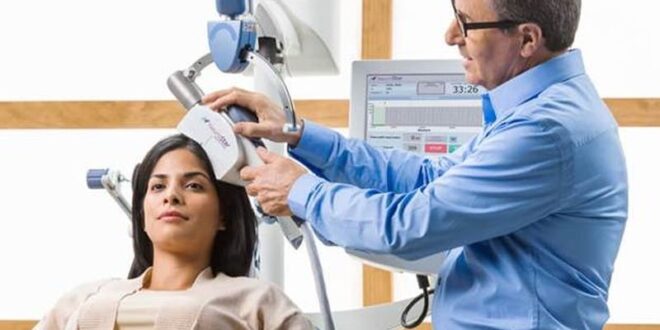
If you are struggling with depression, one of the most important things to know is that you are not alone. And, I say that to mean different things. For one thing, it means that a lot of people are suffering too, and that one fact can often be helpful to a lot of individuals, making it clear that they are not alone in their suffering. For another, it means that there are professionals out there that can help you with this condition, which is a good thing, as you don’t have to struggle without having a way to get help.
Here is more on depression in general: https://www.nimh.nih.gov/health/publications/depression
So, you can get help. And, you absolutely should. After all, there is no need for you to struggle when there are treatment options out there available to you. Yet, you may have tried some of those already, but none of them may have worked, which can easily get you discouraged, thinking that you cannot be helped, and that is simply not true. It may take time to find the right meds for you, as well as the right professionals.
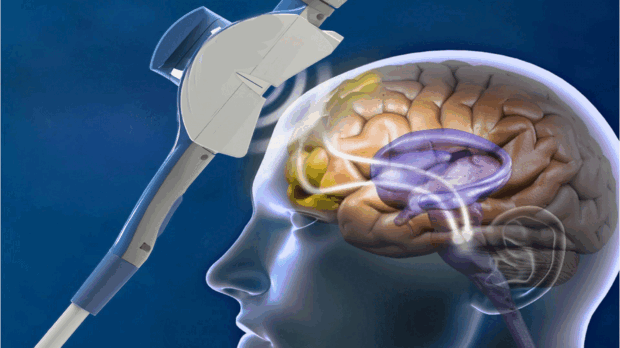
But then, there is also a new solution out there that has shown to be quite useful for mental health, and especially so when it comes to treatment resistant depression. To cut right to the chase, I am referring to Transcranial Magnetic Stimulation (TMS), and if you’ve been doing any research on the options for depression, then chances are that you have come across this one too. Yet, you don’t really want to go for it before you figure out what it is and whether it is a good idea in the first place.
To put things simply, you have some questions on your mind, and you don’t want to use this treatment option to your advantage before you get the answers. Well, then, you have absolutely come to the right place, because below we will shed some more light on TMS for depression, and hopefully help you understand whether you should do it or not. Without any additional ado, thus, let us start answering those questions and telling you what you need to know.
What Is TMS in the First Place?
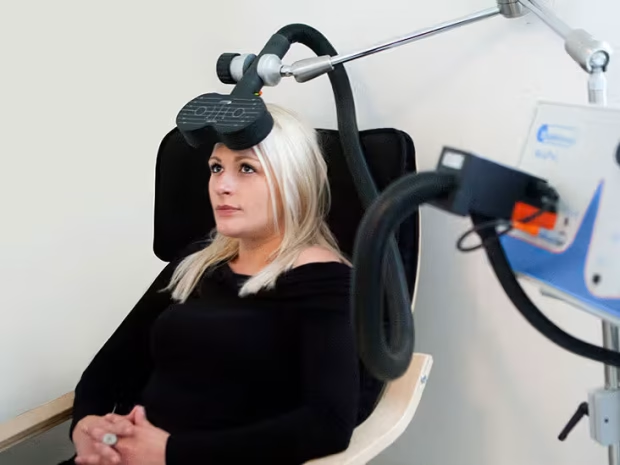
Okay, clearly, we are going to begin with the most basic question here. In short, before you start searching for TMS Therapy for Bonsall, CA or for any other area for that matter, you want to be sure that you understand precisely what this treatment process is in the first place. And, well, time to find out. As you will quickly see, understanding it really isn’t that difficult, since things are pretty straightforward.
To cut right to the chase, TMS is a non-invasive medical treatment that is primarily used for major depressive disorder, and especially so when those traditional treatment have been tried out, but haven’t provided the necessary relief. This type of treatment uses magnetic fields to stimulate those specific parts of your brain that are in charge of mood regulation. The procedure itself is non-invasive, it is performed with the patient awake, and it is typically done in an outpatient clinical setting.
How Does It Work?
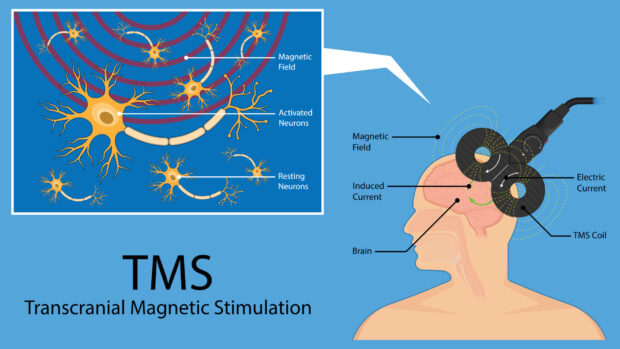
Now, how does TMS work specifically? Well, as mentioned, it targets certain areas of the brain that tend to be underactive in people battling depression. Most commonly, that is the left prefrontal cortex. A magnetic coil is placed on the scalp during the session, delivering focused magnetic pulses that stimulate your nerve cells in the targeted brain areas. Those pulses serve to activate those neural circuits that are associated with mood, emotional regulation, as well as motivation.
Another important thing to know here is that the procedure is completely painless. It lasts between 20 and 40 minutes, and you can immediately return to your normal activities after the session. So, no recovery period necessary at all, since we are talking about a non-invasive procedure. Click this to get a better understanding of TMS in general.
Should You Do It?
Onto the final question here. You understand what TMS for depression is, but you may not be sure whether you should actually do it. Well, the first thing to know is that this is usually not used as a first-line treatment, meaning that your doctor may try other options first. But, if none of those options work, then you may be a good candidate for TMS therapy.
The great thing about this type of therapy is that it has shown to be highly effective. Furthermore, it is non-invasive and it comes with little to no side-effects. Even if you do experience some side-effects, they are bound to be mild and tolerable, as well as, naturally, temporary. So, if you think that this could be a good option for you, it’s time for you to talk to your mental health provider and get some advice on it.
What to Expect During a Full Course of Treatment
If you and your provider decide that TMS is right for you, it’s also helpful to understand what the full treatment plan usually looks like. TMS is not a one-time procedure. Instead, it typically involves a series of sessions conducted five days a week over the course of four to six weeks. While some patients begin to notice improvements within the first couple of weeks, others may require more time before experiencing meaningful changes. Consistency is important, as the cumulative effect of repeated stimulation is what helps retrain neural activity. Throughout the process, your provider will closely monitor your progress and adjust the treatment as needed.