 Jewel Beat
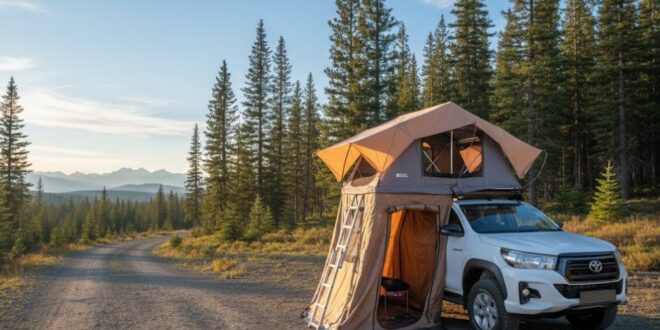
Overlanding is no longer just about reaching a destination. It is about building a journey that blends independence, adaptability, and comfort in places far from paved roads and crowded campsites. As more travelers look for ways to stay mobile without sacrificing rest and safety, vehicle-based camping solutions have become a core part of modern adventure travel.
This shift has placed DVO (FrontRunner) rooftop tents at the center of overlanding culture, redefining how explorers plan routes, choose stopping points, and experience life on the road.
Unlike the usual ground tents, these elevated sleeping platforms provide convenience, safety, and comfort, allowing travelers to explore remote domains with greater flexibility. With that, overlanders increasingly rely on rooftop tents in order to simplify camping logistics and maximize the enjoyment of long road trips.
Why Overlanders Prefer Rooftop Tents

Overlanders value solutions that reduce friction on the road. Every stop, setup, and overnight stay should feel simple, reliable, and adaptable to changing conditions. Rooftop tents answer that need by combining mobility, comfort, and practical design into one integrated system.
Mobility and Adventure Freedom
The primary appeal of rooftop tents is the mobility to camp anytime, anywhere your vehicle is parked safely. From mountain passes to secluded first trails, overlanders can stop, set up camp, and continue their journey the next morning without the stress of traditional tents or campsite restrictions.
Safety and Comfort in Remote Locations
Sleeping off the ground ensures protection from uneven terrain, insects, and small animals. Many of the rooftop tents include built-in mattresses, ventilation flaps, and weatherproof materials, making overnight stays more comfortable than traditional camping setups.
Faster Setup and Breakdown Time
One of the most practical advantages for overlanders is how quickly rooftop tents can be deployed and packed away. Most designs unfold in minutes, eliminating the repetitive tasks of clearing ground, assembling poles, and staking fabric. This efficiency matters at the end of long travel days or during sudden weather changes, allowing travelers to focus more on recovery and less on logistics.
How Rooftop Tents Fit Into the Overlanding Lifestyle
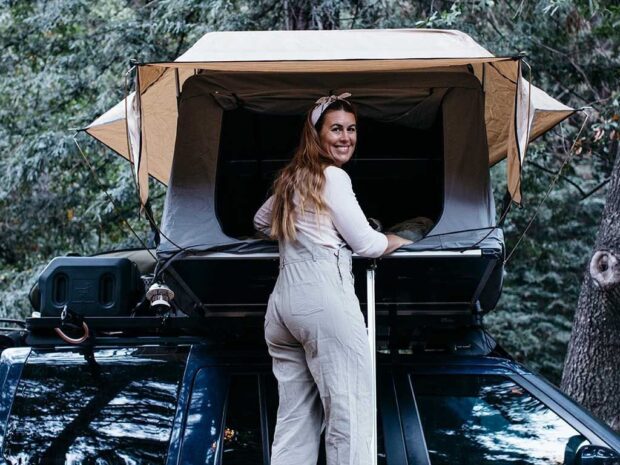
Rooftop tents have become a natural extension of overlanding because they align with the way travelers move, plan, and adapt on the road. Instead of building each day around fixed stops or campsite availability, overlanders gain the ability to travel at their own pace and settle in wherever conditions feel right.
This type of setup supports longer journeys and more spontaneous routes, especially in remote regions where infrastructure is limited. By reducing setup time and dependence on external facilities, rooftop tents help overlanders focus on the experience itself rather than the logistics behind it.
Choosing the Right Rooftop Tent for Overlanding
Not all rooftop tents are built for the same type of journey, and choosing the right one depends on how you travel and what conditions you expect on the road. These factors all play a role in finding a tent that balances comfort, durability, and practicality.
Trip Duration and Travel Frequency
Determine the frequency and duration of your travels. For frequent, short excursions, lightweight and compact tents may come in handy, whereas a long overlanding trip would require a strong, durable tent with enough storage and reinforced structure.
Terrain and Climate Adaptability
An elevated sleeping position brings along safeguarding against rough ground, bugs, and minor creatures. Some rooftop tents come with padding incorporated, air circulation openings, and waterproof fabrics, thus making night visits cosier than the usual tent camping locations.
Integrated Features and Convenience
An elevated sleeping position brings along safeguarding against rough ground, bugs, and minor creatures. Some rooftop tents come with padding incorporated, air circulation openings, and waterproof fabrics, thus making night visits cosier than the usual tent camping locations.
Ease of Transport and Weight Distribution
Long trips require tents that don’t continue to burden your vehicle. Modern foldable designs make transport easier, while carefully considering weight distribution, ensuring safer driving and less fuel consumption.
Matching Your Tent to Your Vehicle and Travel Style

Selecting a rooftop tent is not only about features, but also about how well it integrates with your vehicle and travel habits. Vehicle roof load limits, rack systems, and overall weight distribution should always be considered to ensure safe handling on long drives.
Travel style matters just as much. Solo travelers, couples, and families will prioritize different layouts, access points, and interior space. When the tent matches both the vehicle and the way it is used, it becomes a reliable part of the journey rather than an added complication.
Conclusion
Choosing the right rooftop tent ultimately comes down to how you travel, where you go, and what level of comfort you expect on the road. By considering trip duration, terrain, climate, built-in features, and vehicle compatibility, you can select a tent that enhances your overlanding experience, offering safety, convenience, and reliable comfort wherever your journey takes you.
Frequently Asked Questions
1. Can rooftop tents on the road be exposed to extreme weather?
Tents of superior quality come with very strong frames and waterproof material, which can help them to endure rain, wind, and even cold weather.
2. How do I take care of a rooftop tent during a long overlanding journey?
Cleaning the tent regularly, re-applying the waterproofing, and storing it carefully during the trip will help to keep it working and in good condition for a long time.
3. Are rooftop tents a good choice for multi-day adventures?
Yes. When they have the right features – such as being durable, having ventilation, and providing storage – they can be very useful for longer overlanding trips.