 Jewel Beat
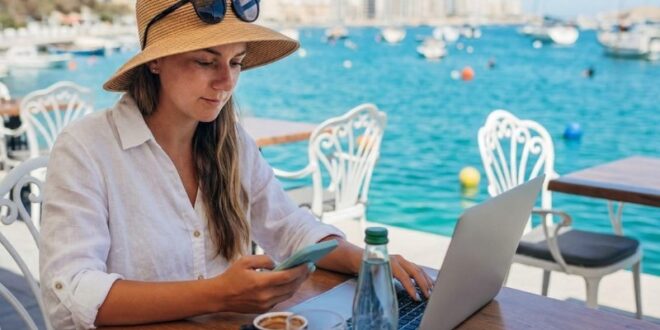
A digital nomad lifestyle means working online while living in different places instead of being tied to one fixed location.
Remote work makes it possible to earn money with a laptop, internet connection, and a reliable set of work habits.
Digital nomads may work in cafés, coworking spaces, apartments, hostels, coliving spaces, guesthouses, libraries, or other places that make it possible to focus.
A travel-friendly work environment does not need to look like a traditional office, but it still has to support real work.
Working remotely while traveling full-time is possible, but it requires reliable income, careful planning, productive routines, strong digital tools, and realistic expectations.
Freedom matters, but structure makes that freedom sustainable.
That is why a person needs to know exactly what he is doing before fully committing to this lifestyle.
Choosing Remote Work That Supports Travel
Secure online work before relying on full-time travel.
As Forbes writes, 17.3 million American workers identified as digital nomads in 2023, showing that remote travel work is no longer a niche choice.
Travel costs continue during slow client periods, so reliable income has to come before long-term movement.
Digital nomad income stability matters because financial stress is one of the top-reported challenges. In 2025, 27% of digital nomads cited financial stress as a difficulty.
Many careers can support location-independent work.
Travel advising can also fit this model when the work is handled online.
A host agency such as Yeti Travel agency offers online training, work-from-home travel advisor opportunities, access to a professional CRM for client quotes and itineraries, and support for selling travel products through major suppliers.
Those who are interested in this lifestyle should know that the best options usually share three main traits:
- Online delivery
- Clear client demand
- Limited need for in-person meetings
Good remote-friendly paths include:
- Freelance writing
- Graphic design
- Web development
- Digital marketing
- Consulting
- Virtual assistance
- Translation
- Online teaching or tutoring
- SEO management
- Social media management
Remote job platforms and freelance marketplaces can help you find clients, contracts, and long-term roles.
Useful platforms include We Work Remotely, Upwork, Remote.co, and FlexJobs.
Skill building should begin before full-time travel, but it can continue while moving. Strong areas to develop include:
- Digital marketing
- Writing
- Web development
- Design
- Project management
- Communication tools
Udemy, Coursera, and Worldpackers Academy can help you improve these skills online.
Income stability is the basis of a lifestyle. Savings help, but savings alone are not a long-term plan.
A stronger setup combines steady remote work, repeat clients, clear contracts, and a realistic monthly budget.
Remote work also requires professionalism in every setting. A beach town, mountain village, or busy capital city may become your base, but work still has to be finished on time.
Harvard Business School research found that remote work became a persistent shift in suitable jobs, which makes professionalism and reliable output even more important.
Clients and employers care most about quality, communication, and reliability.
Planning Your Finances and Budget
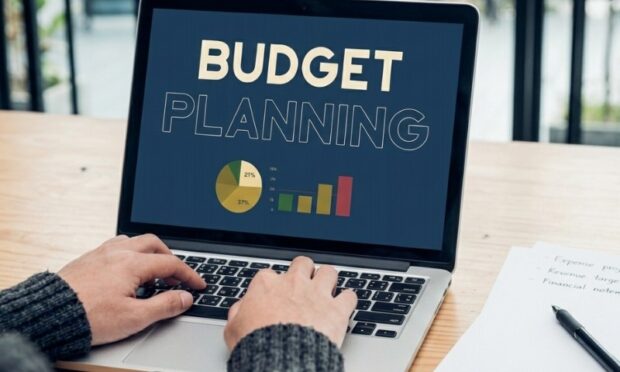
A digital nomad budget is different than a regular travel budget because work changes daily spending. Short-term travelers may choose cheap rooms, move often, eat out frequently, and spend most days sightseeing.
Statista reported that 5% of Americans considered themselves digital nomads in 2023, showing that location-independent work had moved into the mainstream.
Digital nomads need places that support work, sleep, health, routines, and stable internet.
Accommodation often costs more because a digital nomad needs a room or apartment suitable for work. A quiet space, desk, natural light, and strong Wi-Fi can matter more than the lowest nightly price.
The Internet becomes a necessity in that case. Local SIM cards or mobile data may be needed when the accommodation Wi-Fi is weak.
Cooking at home often becomes part of the routine because it supports health and cost control. Long workdays make constant restaurant meals less practical, and kitchen access can lower monthly spending.
Leisure spending may also drop because work takes up a large part of each day.
Use these monthly examples to compare how location affects spending:
- Thailand: less than €1,000 per month for two people during a six-month stay
- France: more than €2,000 per month for two people while traveling with their own car
- Menorca: around €1,500 per month
- Baltic countries: around €1,800 per month
Cost differences make destination planning important. Higher-cost places can be balanced by later stays in lower-cost regions. Choosing countries carefully helps spending match income.
A practical digital nomad budget should include the costs that affect both travel and work:
- Accommodation
- Food and groceries
- Transportation
- Coworking spaces
- SIM cards and mobile data
- Travel insurance
- Visas
- Emergency savings
- Software subscriptions
- Laptop and gear replacement
Emergency savings are especially important because missed flights, broken devices, medical issues, and sudden accommodation changes can happen on the road.
Online banking can make money management easier because accounts can be managed abroad.
Financial planning should not remove spontaneity. A budget gives you more control, so travel does not depend on constant cash-flow stress.
Choosing Destinations Carefully
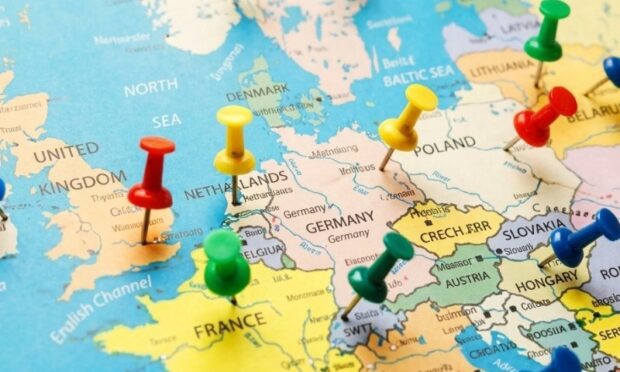
Destinations should be chosen based on work needs, not only travel excitement.
A beautiful place can become stressful if the internet is unstable, the accommodation is noisy, or time zones make client communication difficult.
Before choosing a base, check the practical details that affect daily work:
- Cost of living
- Internet reliability
- Coworking spaces
- Safety
- Transportation
- Time zone fit
- Local digital nomad community
- Access to cafés or quiet workspaces
Bali, Mexico City, and Lisbon are popular digital nomad destinations because they combine affordability, reliable internet, and active expat or nomad communities.
Chiang Mai and Prague can also offer lower living costs compared with cities such as New York or London.
Slow travel usually works better than moving every few days. Longer stays reduce disruptive travel days and make routines easier to maintain.
Staying longer also helps you learn about local workspaces, grocery stores, transportation, neighborhoods, and community events.
One month in a place can make remote work easier. Two months can be even better because it gives enough time to settle into routines, meet people, and avoid constant planning pressure.
Fast travel can reduce productivity. Packing, airport transfers, bus rides, check-ins, laundry, and route planning take time and energy. Slower travel gives you more space to work well and enjoy daily life.
Interesting fact: In 2025, Global Citizen Solutions analyzed 64 countries across visa procedures, mobility, tax factors, economics, quality of life, and tech infrastructure, which shows how many practical details can affect destination choice.
Finding Accommodation That Supports Work
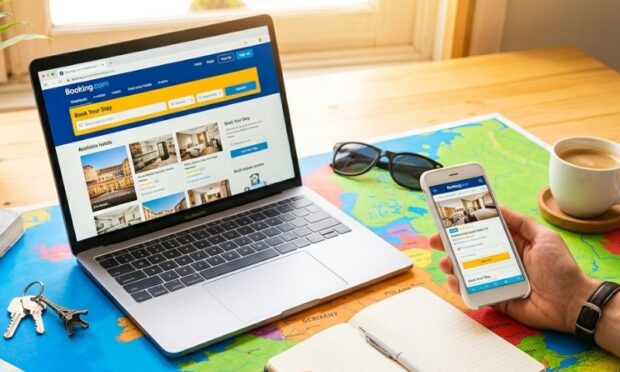
Accommodation is one of the biggest differences between ordinary travel and working while traveling. A backpacker may only need a bed and shower, but a digital nomad needs a place to sleep, focus, take calls, cook, and recover after work.
For short stays, central locations or places close to public transportation can save time.
Private rooms, studios, and guesthouses are often more practical than dormitories because work may need to continue during the stay.
Dormitories can be difficult for remote workers. Noise, shared space, limited privacy, and unpredictable schedules can make calls and focused work harder. A private room usually costs more, but it can protect productivity.
Long-stay platforms now commonly treat kitchen access, Wi-Fi, and dedicated workspace as key amenities for monthly stays.
For longer stays, an apartment with a separate bedroom or work area is often worth the cost. A usable kitchen matters too.
Reliable stove, kettle, pots, basic cooking tools, and enough grocery space can make long stays healthier and more affordable.
Wi-Fi quality should be checked before booking whenever possible. A practical minimum standard for smooth work is 10 MB/s download and 5 MB/s upload.
Video calls, file uploads, cloud tools, and online meetings can suffer when the internet speed is lower.
Google’s own meeting guidance also points to broadband access, bandwidth, latency, and Wi-Fi quality as core requirements for stable video meetings.
Accommodation search methods can include Facebook rental and flatmate groups, Flatmates, Roomies, long-term hostel stays, local asking after arrival, digital nomad groups, and coliving spaces.
FAQs
Summary
A digital nomad lifestyle works best when travel freedom is balanced with professional discipline. Moving between places is only one part of the lifestyle.
Sustainable remote travel also depends on income, housing, routines, connectivity, tools, and community.
Successful digital nomads create systems that protect their work.
Full-time travel and remote work can be sustainable, but only when treated as a serious lifestyle. Freedom is possible, but structure is what keeps it working.