 Jewel Beat

You meant to sort the garden last weekend. And the one before that. And, if you’re being honest, probably several weekends last year as well.
You’re not alone. Across Britain, gardens are being abandoned, not through malice, but through modern life getting firmly in the way.
Fortunately, getting yours back doesn’t require a miracle, a massive budget, or even a particularly sunny disposition.
Here’s how to diagnose what’s gone wrong and actually fix it, one step at a time.
Why British Gardens Are Being Neglected
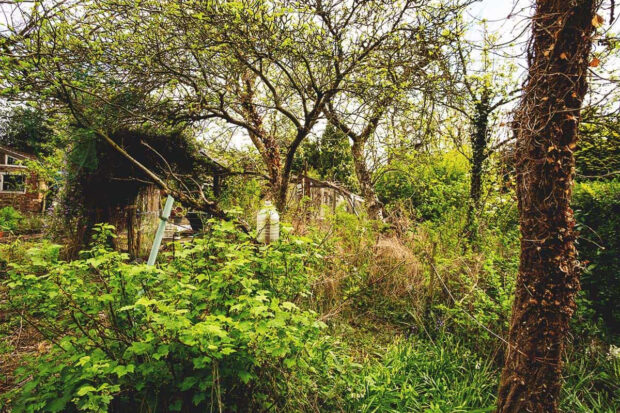
Life in the UK has become genuinely hectic. Long working hours, smaller households, and the gravitational pull of a comfortable sofa have all conspired against the nation’s gardens.
But there’s something else at play, too. Many homeowners simply don’t know where to start.
A garden that’s been left for a season or two can feel overwhelming, and so it gets left for another season, and another, until the whole thing feels hopeless.
But it doesn’t have to be that way. You just need a solid plan, and here’s how to start:
Step One: Honestly Assess the Damage
Before you buy a single plant or pick up a single tool, walk around your garden. Really look at it.
Note what’s overgrown, what’s died, what’s taken over, and what, if anything, is still holding its own. You might find more survivors than you expect. Gardens are surprisingly resilient.
Take photos as you go. They’ll help you track progress and, later, give you a satisfying before-and-after to show off.
Here’s what you should look for:
- Overgrown shrubs crowding out other plants;
- Weeds that have established deep root systems;
- Lawn patches that are bare, compacted, or waterlogged;
- Broken structures like fencing, raised beds, or paving;
- Blocked drains or areas with poor water runoff.
The goal is simply to understand what you’re working with so you can decide where your energy is best spent.
Step Two: Clear the Overgrowth Before You Plant
This is where most people go wrong. They skip straight to buying new plants without dealing with the existing overgrowth first.
That’s how you end up with lovely new additions disappearing beneath a tide of bindweed by August.
Clearing the overgrowth is unglamorous work, but it’s the foundation that everything else depends on. Start with the biggest offenders: the brambles, the thuggish weeds, the dead wood blocking the light.
Work in sections rather than trying to tackle everything at once.
A Saturday morning spent properly clearing one bed is far more satisfying than an afternoon half-heartedly poking at the whole garden.
Perennial weeds like bindweed, ground elder, and Japanese knotweed are the true bane of neglected gardens across the UK. They can’t simply be pulled out once and forgotten. They require persistence.
For most weeds, repeated removal during the growing season is effective. Cut them down, let them regrow, then cut them down again. Eventually, you exhaust the root reserves.
Japanese knotweed is a different matter entirely and may require professional treatment. It’s one situation where calling in help is genuinely the sensible option rather than an admission of defeat.
Step Three: Restore Your Lawn
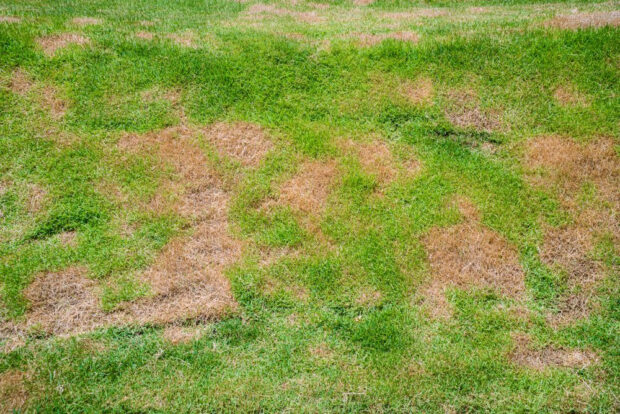
A neglected lawn is often the most visible sign that a garden has been forgotten. Bare patches, thick moss, and weed invasion are the calling cards of a lawn that’s been left to its own devices.
The good news is that most UK lawns, however sorry they look, can be improved significantly without starting from scratch.
Start with scarification: raking out the dead grass and moss that’s clogging the surface. It might seem a bit drastic, but it’s an important step in getting the lawn back on track.
Follow with aeration to break up compacted soil, then overseed any bare patches and feed appropriately for the season.
Consistency matters more than intensity here. A little attention every few weeks beats one heroic effort that you don’t follow up on.
Step Four: Tackle Overgrown Shrubs and Hedges
Overgrown shrubs can make a garden feel claustrophobic and dark, suppressing everything around them. Most, however, respond brilliantly to hard pruning.
The key is knowing which shrubs tolerate being cut back hard and which don’t. Buddleia, forsythia, and most roses can tolerate aggressive pruning well. Lavender and rosemary, on the other hand, won’t regenerate from old wood—cut too far back and you’ll lose them.
When in doubt, cut the plant back by about a third, wait for the response, and go further the following year if needed. Patience is a legitimate gardening tool.
Step Five: Improve Your Soil

A garden that’s been neglected has usually been unfed, too. Soil health is the invisible factor that determines whether your plants are thriving or merely surviving.
Adding organic matter—compost, well-rotted manure, or leaf mould—improves soil structure, drainage, and nutrient levels simultaneously. It’s the single most effective thing you can do for long-term garden health.
You don’t need to dig it in deeply. Laying it as a mulch on the surface and letting worms do the work is perfectly effective and far less backbreaking.
Step Six: Plan Before You Plant
Now, you can think about what you actually want your garden to look like. With the groundwork done, you can make practical decisions about layout, planting, and maintenance.
Consider how much time you realistically want to spend on maintenance, and be honest with yourself. A low-maintenance garden will always outperform an ambitious one that becomes another source of guilt.
Choose plants suited to your specific conditions: your soil type, light levels, and regional climate. A plant thriving in its right environment requires a fraction of the effort of one fighting against its conditions.
Step Seven: Build a Simple Maintenance Habit
The reason gardens get neglected in the first place is usually that maintenance feels like a big occasional project rather than a regular habit.
The fix is boringly simple: do a little but often. Fifteen minutes a week of weeding, deadheading, and general tidying prevents the kind of slow slide that leads to another abandoned garden.
Set a recurring slot, however small, and make it a habit rather than a task. Even a quick weekly check-in is enough to keep things under control.
When to Call in Help
There’s no shame in acknowledging when a garden has gone beyond a DIY fix, and you’ll find no shortage of professional services for neglected gardens in the UK.
These are people who’ve genuinely seen worse and won’t bat an eyelid at yours. A quick search will surface specialists who can handle exactly this kind of rescue job.
A one-time clearance by a professional can reset the clock entirely, giving you a manageable garden to maintain rather than an overwhelming project to dread. Think of it as outsourcing the hard bit so you can enjoy the good bit.
Conclusion
Well done! You’ve survived this guide and are ready to face the foliage. The brambles might be tall, but your resolve is now officially taller.
Pick up those shears, head outside, and show that garden who is actually the boss!