 Jewel Beat
Most people come to Italy with a checklist. You visit landmarks, take photos, eat well, and move on. That works, but it barely scratches the surface. The more interesting side of Italy starts when you actually do something, not just look at it.
Hands on activities in Italy give you a different pace. You slow down, focus, and learn from people who do the same work every day. It could be cooking, craft, or something tied to local traditions. The common thread is simple. You leave with a skill, not just a memory.
Cooking experiences that go beyond eating
Food is the easiest entry point, but not all food experiences are equal. A good one puts you to work. You are not watching someone cook. You are expected to try, fail, and improve.
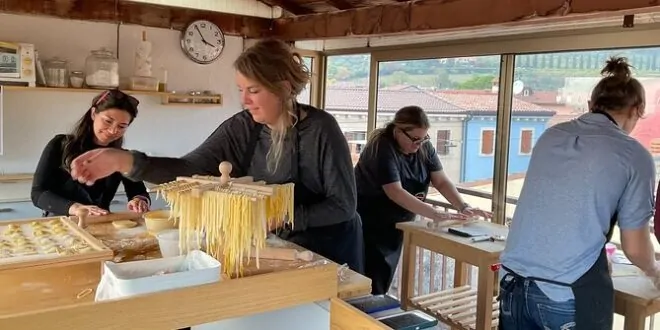
Many travelers start with a cooking class in Verona because it tends to be smaller and more personal. You usually work in a real kitchen, not a studio designed for tourists. You handle dough, shape pasta, and adjust sauces with guidance instead of instructions.
You notice small things quickly. The way flour feels changes the result. Timing matters more than recipes. That level of detail is hard to get in a restaurant setting.
- You learn techniques that apply outside Italy, not just local recipes
- You see how ingredients are handled at source, not packaged
- You understand why simple dishes work when done correctly
Artisan workshops that still follow old methods
Italy has a long tradition of craft, and many workshops are still active. Some of them open their doors to travelers who want to try the process themselves.
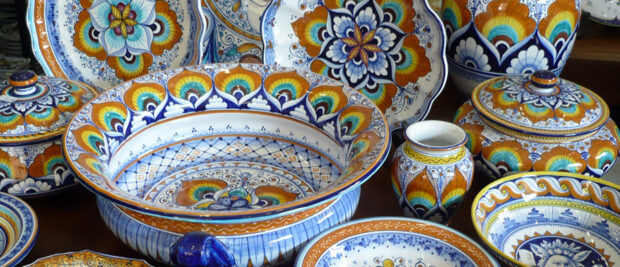
In places like Faenza, ceramics are not just decorative objects. They come from centuries of technique development and local materials.
You usually start with basic shaping or painting. It feels simple at first, but control takes time. Clay reacts to pressure in ways you do not expect. A small mistake changes the entire piece.
Some workshops also cover:
- Glazing and firing techniques
- Pattern traditions linked to specific regions
- Differences between decorative and functional ceramics
These sessions tend to be slower and more focused than food activities. You spend more time on one object, and the result reflects your effort directly.
Traditional craft experiences you rarely hear about
Not every hands on activity in Italy is widely promoted. Some are tied to local traditions that only exist in specific regions.
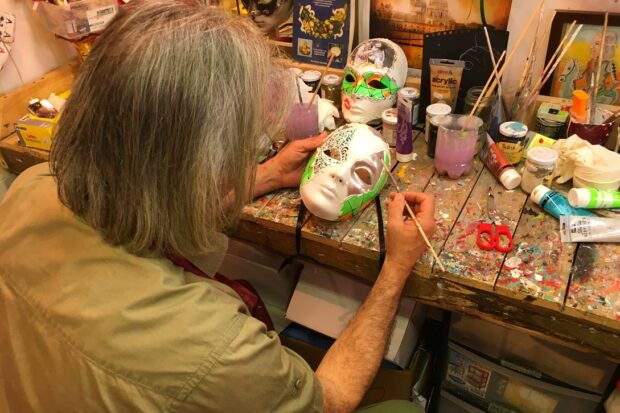
In Venice, for example, mask making workshops connect directly to the history of the carnival. You work with materials and methods that have been used for generations.
Other options include mosaic workshops in Rome, where you place each piece by hand using marble and traditional tools. These activities are precise and require patience.
Many craft workshops in Italy still rely on techniques that have been passed down for generations, often unchanged in core process.
That continuity is part of the appeal. You are not learning a modern shortcut. You are repeating a process that has been refined over time.
Farm and countryside experiences that feel real
Urban activities are easier to find, but rural experiences often feel more authentic. They are less structured and more dependent on the season.
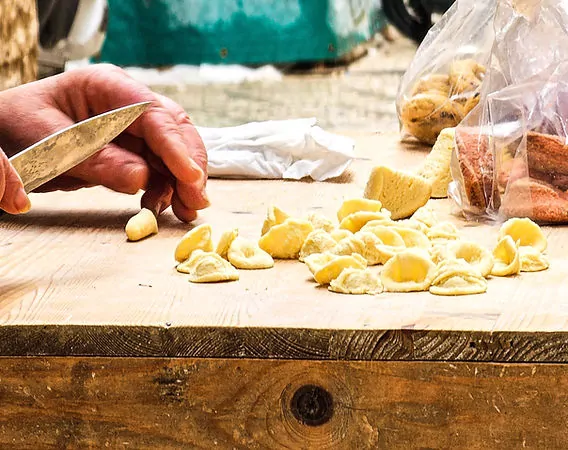
In southern regions like Puglia, you can learn to make local pasta shapes such as orecchiette with people who have done it for decades.
You might also find:
- Truffle hunting with local guides
- Olive oil production during harvest season
- Vineyard work that includes tasting and processing
These activities depend on timing. You cannot schedule them at any point in the year. That limitation makes them more specific and often more rewarding.
Hands on food culture in major cities
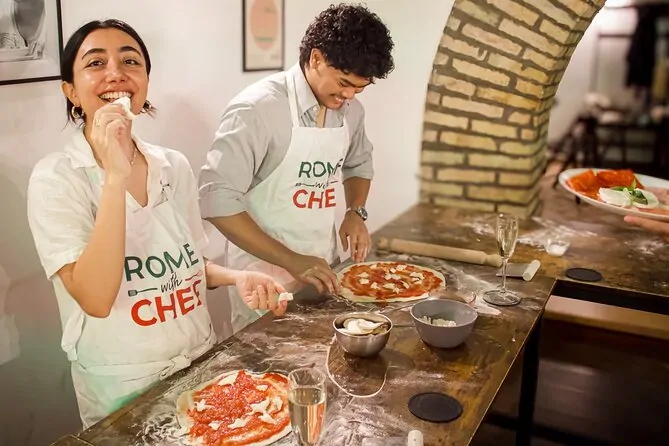
Larger cities still offer strong experiences if you choose carefully. The key is avoiding large group formats.
A well run cooking class in Rome usually starts outside the kitchen. You visit a market, select ingredients, and understand what you are about to cook before touching anything.
That context changes the experience. You see how ingredients are chosen, not just how they are prepared.
A typical session might include:
- Preparing multiple dishes rather than focusing on one
- Learning timing across courses
- Adjusting flavors instead of following fixed measurements
City based activities tend to move faster than rural ones. They are still practical, but more structured.
How to choose the right experience
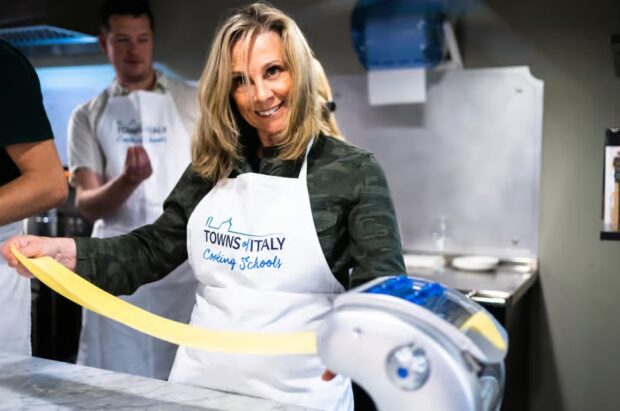
Not every hands on activity in Italy will suit every traveler. The difference usually comes down to scale and intention.
Small groups work better. You get more direct input and less waiting time. Local instructors also tend to be more flexible when the group is smaller.
Think about what you want to take away:
- A skill you can reuse at home
- A deeper understanding of a local tradition
- A slower day that breaks the pace of travel
Avoid activities that feel like demonstrations. If you are not actively involved, you are missing the point.
Also consider timing. Seasonal activities often provide the most accurate version of the process.
A more practical way to experience Italy
Travel in Italy becomes more interesting when you stop treating it as a list of places. Activities create structure in your day and give you something to focus on beyond movement.
Hands on activities in Italy are not about doing something unusual for the sake of it. They are about understanding how things actually work. That applies to food, craft, and local traditions.
You end up remembering the details. The texture of dough, the weight of clay, the way ingredients change during cooking. Those details stay with you longer than most landmarks.
If you want something different, start with one activity and build around it. The rest of the trip will feel more connected.