 Jewel Beat
Artificial intelligence changed digital image creation. Totally. Honestly, no exaggeration.
The old way? Blank canvas. Pencil. Brush. Draw everything. By hand. Every. Single. Element. Slow. Tiring. Hours gone. Now? Whole different game. Describe an idea. Ordinary language. Plain words. Few seconds. Boom. A visual interpretation. Just like that. Wild, right?
The name? Text-to-image generation. Used where? Everywhere, basically. Illustration. Education. Entertainment. Marketing. Concept development. Personal creative projects. Name it. It’s there.
Why learn how an AI art generator works? Easy. Modern digital creativity runs on it. Anyone curious should know. Seriously. And here’s the twist. Looks instant. Feels like magic. Isn’t. Nope. Several computational stages happen. Prompt goes in. Stuff happens. Image comes out. Quite a lot of stuff, actually.
What Is an AI Art Generator?
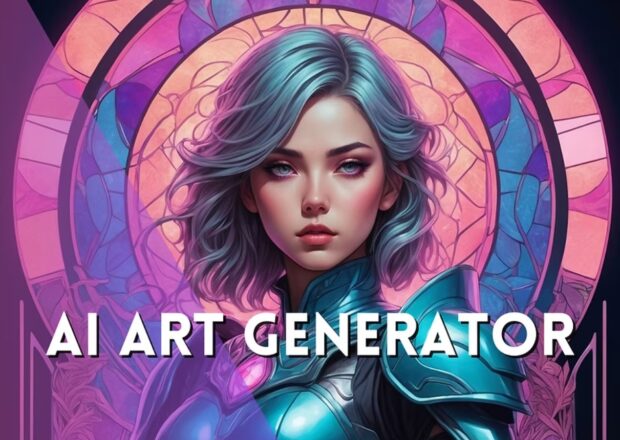
Short answer? Software. A system. Machine learning inside. Creates visual content. From user instructions. That’s it.
Instructions about what? Anything, pretty much. An object. A person. An environment. An artistic style. A colour scheme. A lighting arrangement. Or everything. All mixed. One image.
How’d it learn? Training. Massive training. Huge image collections. Paired with text descriptions. Tons. Mountains of them. The model studies. Learns patterns. Statistical relationships. Words here. Visual characteristics there. Connected through text-image learning. Then? A prompt shows up. System uses those connections. Builds an image. Matching the concept. Hopefully, anyway.
Key bit now. Important. It’s not image search. Not at all. No hunting for photos. No phrase matching. Nope. What then? Generation. Many modern systems create something new. Fresh. A new visual representation. Via a generative model. Huge difference. Massive.
How Text Becomes an Image
Step one? Prompt. Written words. That’s the start.
Example. Someone wants an illustration. Quiet mountain village. Sunrise. Specific artistic style. Specific colour palette. Done. Request sent.
Step two? Translation. Kind of. A text-processing component steps in. Words become numbers. Numerical representations. Why numbers? Meaning. They capture it. The image-generation model needs that. Uses it. While building the output.
Step three? Diffusion models. Usually. Lots of modern systems use diffusion-based techniques. How’s it work? Simple version. Random visual noise first. Static. Mess. Pure chaos. Then? Refine. Remove noise. Transform it. Little by little. Prompt steering everything. Again. And again. And again. Then? Shapes appear. Recognisable ones. Colours. Textures. Compositions. A real image. Finally.
Last stage? Pixels. Internal representation converted. Into what users see. Extra processing maybe. Resolution. Formatting. Safety checks. Other adjustments. Then? Done. Image ready.
Why Prompts Matter
Image quality? Partly the user’s job. Honestly, big part.
Clear description? Matters. Hugely. Take “a city street.” Short. Vague. Super vague. Tons left open. Anything goes. Add detail though? Subject. Setting. Viewpoint. Lighting. Mood. Colour palette. Visual style. Suddenly? Crystal clear.
Try this. Rainy city street. Night. Street-level view. Reflections on wet pavement. Soft cinematic lighting. Difference? Night and day. Literally, kind of. More information. About the intended composition. Way more to go on.
So prompt writing? Real thing now. A creative practice. In generative AI, anyway. Researchers noticed. Of course. Research into text-to-image systems studied it. Prompting as a developing skill. Users learn. Over time. Describe visuals better. Refine instructions. Based on results. Try. Fail. Tweak. Repeat. Plain and simple.
Common Uses of AI-Generated Art
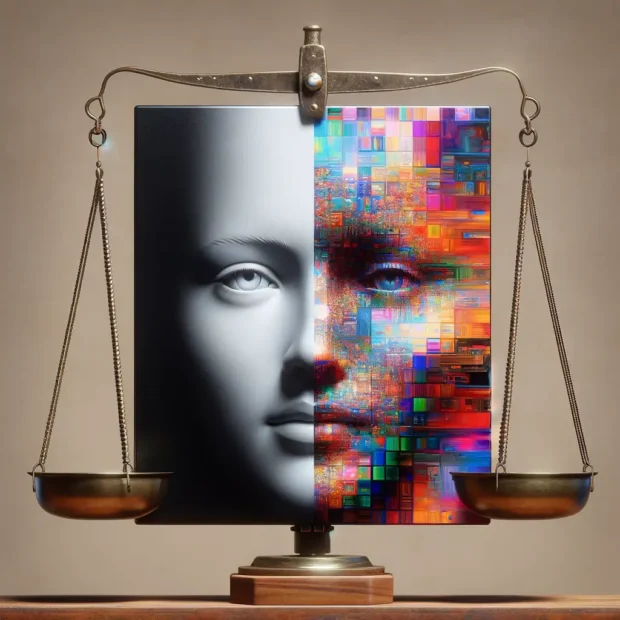
Useful where? Loads of creative activities. Honestly, tons.
Designers? Early brainstorming. Exploring visual directions. For projects. Quick. Easy.
Writers? Temporary illustrations. Characters. Locations. Scenes. Visualised. Handy.
Educators? Abstract ideas explained. Customised classroom materials. Nice.
Businesses? Content creators? Them too. For what? Thumbnails. Social media concepts. Presentations. Mood boards. Other visual experiments. Biggest plus? Speed. Initial concepts? Way faster. The catch? Human review. Editing too. Still needed. Often. Can’t skip it.
Artists? Different story. An AI art generator becomes an experimental tool. Not a replacement. Not for traditional methods. How’s it used then? Starting point. Generated image first. Then redrawn. Composited. Colour-corrected. Modified. Conventional software does the rest. Human hands finish. Always.
Limitations and Accuracy Issues
Improving fast? Yep. Crazy fast. Flawless? Nope. Not yet. Not close.
What breaks? Complicated instructions. Misunderstood sometimes. Inconsistencies. Between image elements. Some stuff’s historically hard. Small details. Human hands. Oh, the hands. Facial features. Object relationships. Written text. Real headaches. Seriously.
First glance? Can fool anyone. Looks convincing. Great, right? Then zoom in. Errors. Small ones. Sometimes big. So review. Always. Before professional use. Educational use. Public-facing use. Check first. Publish later. No shortcuts.
Another issue? Training data. Intellectual property. Messy stuff. Copyright. Consent. Attribution. Existing artwork in training datasets. Still debated. Heavily. Unresolved, mostly. And bias? Yep. Research found demographic bias. Maybe shaping generated content. Worth remembering. Definitely.
Human Creativity Still Has an Important Role
AI’s fast. Images in seconds. End of story? Nope. Not necessarily. Creativity keeps going.
Who’s deciding? People. Still. What to say. Which concepts fit. How prompts get refined. Whether results work. Whether the final visual suits its purpose. All human calls. Every single one.
AI’s place then? One stage. Inside a bigger creative process. Not the whole thing. Just a piece. Typical flow? Generate options. Several. Pick useful bits. Edit manually. Combine. With original photography. Illustration. Typography. Other design components. Mix. Match. Human-led. Always.
The Future of AI Art
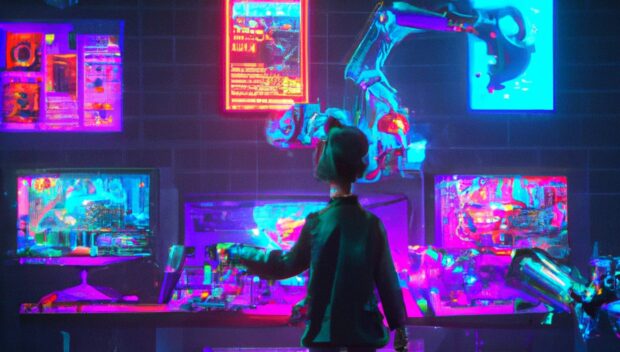
Still growing. Fast. Models getting smarter. Better with detailed instructions. Better with different visual inputs. Future systems? More precise control. Probably. Composition. Consistency. Editing. Image transformation. The works.
Biggest change though? Not speed. Speed’s nice. Sure. Real shift? Access. Visual experimentation. For everyone. No formal training? Fine. No illustration background? Fine. No graphic design degree? Doesn’t matter. Not anymore.
One thing won’t change. Understanding matters. Capabilities. Limitations. Responsible use. Just as important as making a pretty image. Maybe more. Honestly? Definitely more. Plain and simple.