 Jewel Beat

The average American household now pays $69 a month for streaming video alone, spread across four different services, according to Deloitte’s 2026 Digital Media Trends survey. Add music, gaming subscriptions, and the odd app renewal, and the real number for most people is closer to $111 a month – over $1,300 a year – per CNET’s 2026 State of Subscriptions report. None of those individual charges feel large. That’s exactly the problem.
This isn’t a piece about quitting Netflix or feeling guilty for enjoying a Friday night on the couch. It’s about the specific, boring, effective habits that let you keep the fun and lose the waste – because right now, most people are losing more of the second than they realize.
The math nobody does before they hit “subscribe”
Here’s a direct answer to the question people usually ask too late: yes, your streaming bill really has gone up, and no, it’s not your imagination. Between April 2021 and April 2026, the cost of subscribing to five major services – Netflix, Disney+, Hulu, HBO Max, and Prime Video – rose from about $62 a month to $78, according to pricing data compiled by Tom’s Guide. That’s a 26% increase in five years, well ahead of general inflation.
| Service | April 2021 price (ad-free) | April 2026 price (ad-free) | 2026 ad-supported tier |
|---|---|---|---|
| Netflix | $13.99 | $19.99 | $8.99 |
| Disney+ | $7.99 | $18.99 | $11.99 |
| Hulu | $11.99 | $18.99 | $11.99 |
| HBO Max | $14.99 | $18.49 | $10.99 |
| Prime Video | $12.99 (with Prime) | $19.98 (with Prime + Ultra tier) | $14.99 |
Source: Tom’s Guide streaming price tracker, April 2026. Figures reflect list prices for individual plans and may vary with bundles or promotions.
Notice the last column. Ad-supported tiers are now the industry’s real growth engine – 68% of U.S. streaming subscribers pay for one, up from just 46% two years ago, per Deloitte. That’s not a niche workaround anymore; it’s what most people actually do once the novelty of “no ads, ever” stops being worth the extra $8 to $10 a month.
What “streamflation” is actually doing to your wallet
Prices for video and video-game subscriptions rose roughly 25% between March 2024 and March 2026, according to Bureau of Labor Statistics data cited by Money Mechanics – a pace commentators have started calling “streamflation.” Nearly three-quarters of subscribers (73%) told Deloitte they’re frustrated by it, and 61% said they’d drop their favorite service outright if the price rose another $5.
People aren’t just complaining, either. Reviews.org’s 2026 streaming survey found 52% have already canceled or downgraded a service specifically because of a price hike, and 43% say they’re likely to cancel at least one more in the next three months. Streaming loyalty, in other words, has quietly become as flexible as a phone plan.
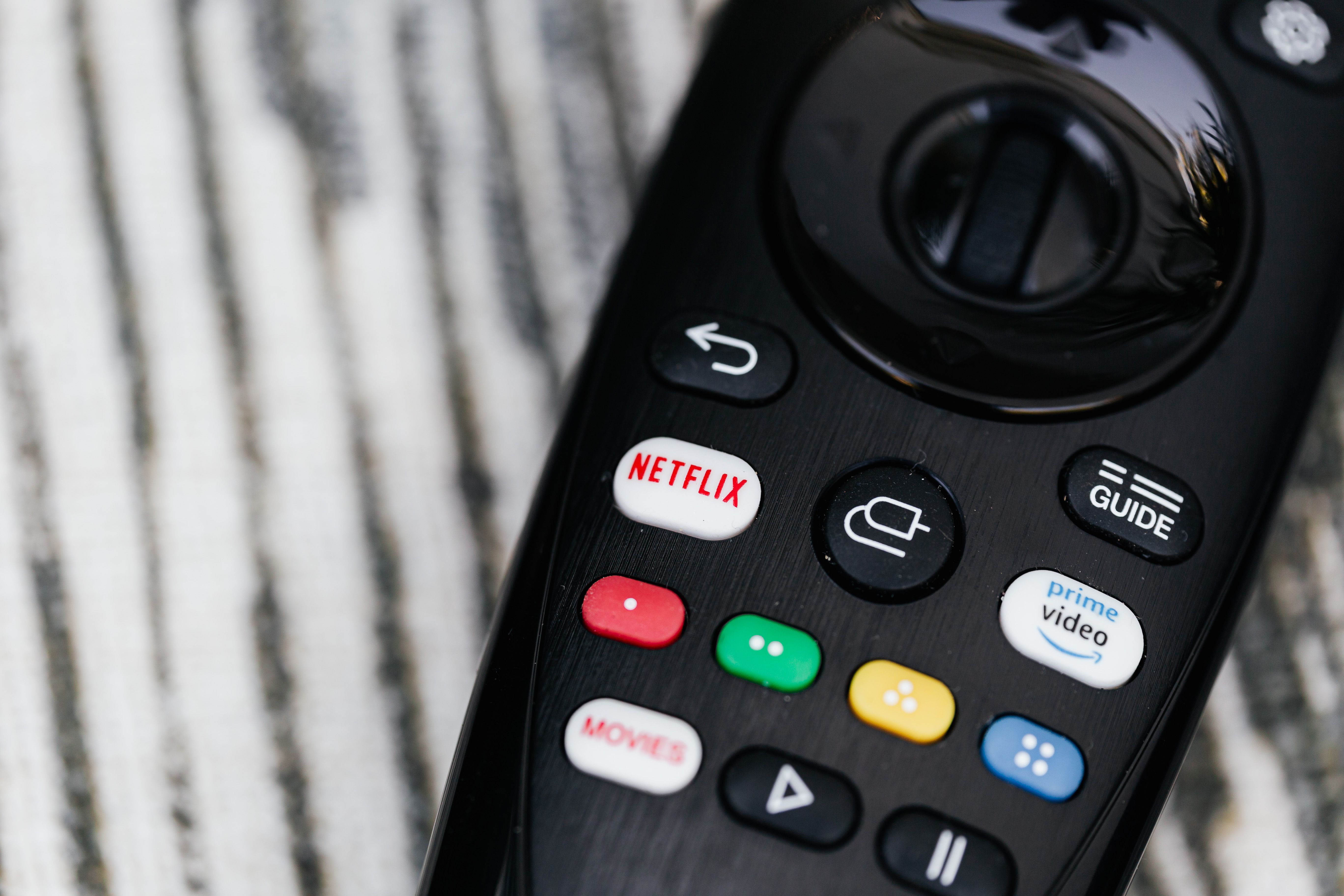
“They’re managing their costs holistically,” is how Deloitte media analyst Stephanie Dolan put it to TheWrap – subscribers rotating services in and out to chase whatever show or season they actually want, rather than parking indefinitely on four or five platforms out of habit. I think that instinct is correct, and most people just haven’t formalized it into an actual system yet.
The psychology trick that keeps dead subscriptions alive
Small, recurring charges are cognitively slippery. Lacey Filipich, a Perth-based financial educator, told ABC News that digital subscriptions “seem like tiny little drips, because they’re small amounts” – and drips don’t register the way a single $200 purchase would, even when they add up to more. West Monroe’s research backs this up directly: the average American carries $219 a month in active subscriptions, and 42% admit they’ve forgotten about at least one entirely.
CNET’s 2026 survey put a hard number on the waste: US adults lose an average of $21 a month – $252 a year – on subscriptions they’ve stopped using but never canceled, up from $17 a month just one year earlier. Millennials and Gen Z waste the most, at $29 and $27 a month respectively (which tracks, given how easily a free trial for one show turns into eight months of a service nobody opens).
Give every dollar of fun a job
The single best-documented fix isn’t clever, it’s structural: decide the number before you spend, not after. According to Ramsey Solutions research, people without a dedicated entertainment budget spend roughly 35% more on it than those who set one deliberately, and FINRA’s 2024 data found budget adherence rates of 78% among people with an intentional “fun” allocation versus 45% among people without one.
Most financial planners land on 5–10% of after-tax income as a reasonable ceiling for entertainment of every kind – streaming, gaming, going out, hobbies. The Bureau of Labor Statistics puts the actual U.S. household average at $288 a month, or about $3,458 a year, which is a useful gut-check: if your number is dramatically higher than that and you couldn’t say why, that’s worth a closer look.

A workable version of this, drawn from several budgeting guides, looks like a three-step loop rather than a strict ledger:
- Plan. Pick one fixed monthly figure for all discretionary online entertainment and write it down somewhere you’ll actually see it again.
- Spend. Use only that amount – ideally from a separate account, prepaid card, or digital wallet so it can’t quietly borrow from rent or savings money.
- Review. Once a month, check what actually got used. Cut what didn’t; keep what genuinely earned its place.
Do a full audit at least quarterly. Pull three months of statements, list every recurring charge, and ask one honest question per line: would I sign up for this again today, at this price, if I weren’t already paying for it? If the answer is no, that’s your cancel list.
Streaming, gaming, and online casino play all follow the same rule
Here’s where the logic extends further than most budgeting articles bother to go. Whether you’re queuing up a new season, buying a game pass, or logging into an online casino account through something like the Royalxo login page, the underlying discipline is identical: set the ceiling before you start, use money that’s already been set aside for leisure, and stop the moment it’s gone. No borrowing from next month, no moving the goalpost mid-session.
This matters more with real-money gaming than with a $12 subscription, because the spending isn’t fixed in advance the way a monthly bill is – it can climb in real time if there’s no hard stop. A practical consumer guide to online entertainment budgeting from MoneyNerd makes a point worth repeating here: understanding the mechanics of any offer, including wagering requirements attached to bonuses, is basic financial literacy, not paranoia. A 30x wagering requirement on a modest bonus can mean wagering through several hundred dollars before a withdrawal is even possible, and that number should factor into the budget the same way a hidden subscription fee would.
My honest take: treating deposit limits as optional “for now” is where good intentions quietly fail. Set the limit at the platform level if that option exists, not just in your head, and only ever fund it from money already earmarked as flexible spending – never from bill money, and never from savings. Anyone can enjoy this kind of entertainment; the ones who keep enjoying it long-term are the ones who never let it decide its own size.

The case against cutting everything (and where I land)
Not every expert agrees that less is automatically better. Lacey Filipich’s household keeps exactly one paid video subscription at a time and cancels before trying the next – “be as harsh and as frugal as possible,” in her words. That’s a defensible, tested position, and it works well for people who genuinely don’t mind missing a show’s premiere week.
But Hub Entertainment Research’s 2026 survey of 1,600 U.S. broadband households found something that complicates the pure frugality argument: affordability has overtaken content as the top factor in perceived value, yet respondents said they’d be willing to spend up to $93 a month – more than the current $82 average – for services that actually deliver. Deloitte found something similar: self-identified “fans” spend 27% more on streaming than non-fans ($71 versus $56 a month) and report nearly an hour more daily entertainment time, without reporting more regret about it.
So which would you actually rather do: keep four subscriptions you barely have time for, or pay for two you use constantly and drop the rest? I know which answer the data favors, and it isn’t “cut everything to the bone.” My view is that the one-subscription purists have the right instinct – a hard ceiling – but the wrong scale. The number that matters isn’t how many services you keep; it’s whether every dollar in that entertainment budget is buying something you’d actually miss.
A cheaper past isn’t as cheap as it feels in memory
Worth a reality check before you conclude streaming is uniquely broken: Sydney media commentator Dan Barrett ran the numbers on his own pre-streaming habits for ABC News and found that renting two VHS tapes a week for $7 each, plus a $10 weekly rental deal and one CD a month, added up to roughly $88 – comparable to, or more than, several current streaming subscriptions combined. Prices have risen, but so has the volume of content available for that money. The frustration is real; the idea that everything used to be cheap is mostly nostalgia.

Frequently asked questions
How much should I budget for online entertainment each month?
Most financial guidance puts it at 5–10% of after-tax income, which lines up with the national household average of roughly $288 a month reported by the Bureau of Labor Statistics. Adjust down temporarily if you’re paying off debt aggressively, but avoid cutting it to zero – budget guides consistently note that eliminating fun spending entirely tends to cause burnout and rebound overspending later.
Is having several streaming subscriptions at once actually a bad habit?
Not inherently – the average U.S. household already has around four to five paid subscriptions, per Deloitte and Bango’s 2026 data. The habit worth breaking isn’t having multiple services; it’s keeping ones you’ve stopped using. Reviewing and rotating subscriptions rather than stacking them indefinitely is what separates intentional spending from drift.
What’s the single easiest fix if I don’t want to build a full budget system?
Set a calendar reminder for the day each subscription renews. Reviews.org found that 55% of people have re-subscribed to something they’d previously canceled – which isn’t necessarily wrong, but it should be a decision made in the moment you’re billed, not a default that happens because you forgot to check.
How this article was put together
This piece draws on Deloitte’s 2026 Digital Media Trends survey, CNET’s 2026 State of Subscriptions report, Reviews.org’s streaming fatigue survey, Bureau of Labor Statistics pricing data, and budgeting research from FINRA, Ramsey Solutions, and West Monroe, all checked in August 2026. Pricing figures reflect list prices at the time of research and change frequently; treat the dollar amounts as a snapshot rather than a permanent reference, and recheck current pricing before making subscription decisions. Where sources gave different averages for the same metric (subscription counts and monthly spend vary noticeably by survey methodology), the range has been noted rather than a single figure asserted as definitive.