 Jewel Beat
If Munich had a flavor, it would probably be warm pretzel, roasted pork skin, sweet mustard, and beer garden smoke drifting under chestnut trees.
Real Bavarian food is not delicate in the tiny-plate sense, but it is deeply comforting, practical, and tied to local rhythm. This Munich food guide is for travelers who want more than a quick sausage photo.
It is about what to eat in Munich, when to eat it, and how to order without feeling like you walked into someone else’s family lunch.
The Food Rhythm To Follow In Munich
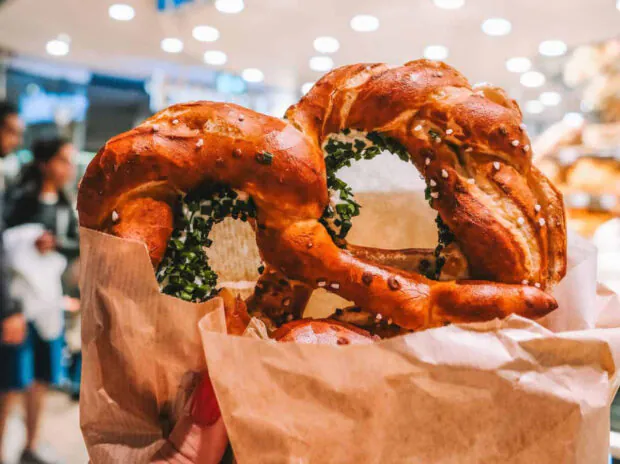
Bavarian food makes more sense when you eat it in the right order. Start gently, snack well, save the heavy roast for later, and let the beer halls, markets, and cafés do their work naturally.
Start With Weißwurst, Pretzels, And Sweet Mustard
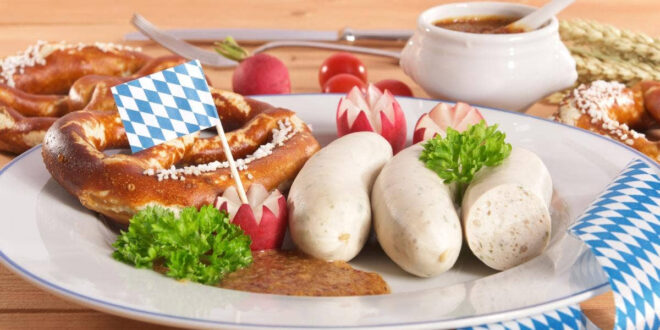
Munich’s classic morning ritual is Weißwurst with a soft Brezn and sweet mustard. The city’s official guide notes that traditional Munich Weißwurst contains veal, often mixed with pork, and is commonly served with sweet mustard, which explains its mild, delicate flavor compared with smoked sausages.
Some locals remove the casing with impressive precision, while visitors often use a knife and fork. Nobody is grading you. Just eat it warm, ideally before lunch, and enjoy the fact that breakfast in Munich can feel like a small cultural event rather than a rushed hotel buffet.
Build Lunch Around The Mood Of The Day
Lunch in Munich can be casual or polished, depending on the trip you are planning. If the day is relaxed, a Leberkässemmel from a butcher counter or a Brotzeit plate in a beer garden is perfect.
If you are shaping a more upscale city break, maybe with a long dinner, cocktails, or a premium local service such as München escort, choose a traditional restaurant with a calmer dining room rather than the loudest beer hall.
Bavarian food can be rustic, but Munich is very good at making old traditions feel elegant when the occasion calls for it.
The Big Bavarian Classics Worth Ordering
This is where real Bavarian food in Munich gets serious. Expect roast meat, dumplings, cabbage, gravy, mustard, and plates designed for appetite. Pick one main classic, then support it with the right side.
Roast Pork, Pork Knuckle, And Dumplings
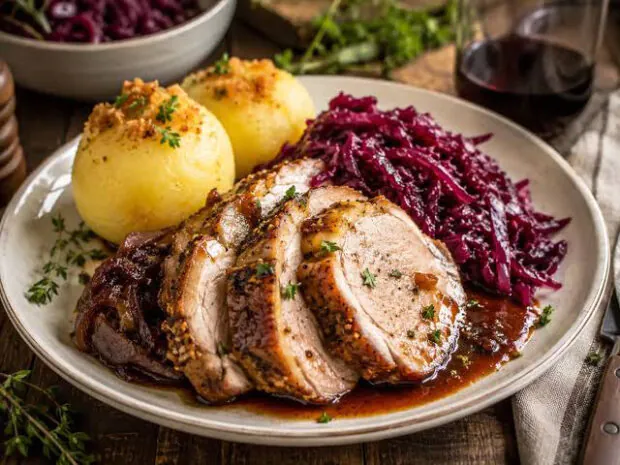
Schweinshaxe gets the attention because it looks dramatic, with crisp crackling wrapped around tender pork. Schweinsbraten is less theatrical, but often more comfortable to eat, especially when the gravy is good.
Knödel are not decoration; they are there to catch sauce, soften the plate, and make the whole meal feel complete.
| Dish | What it is | Best time to order |
| Schweinshaxe | Crispy roasted pork knuckle | Dinner in a beer hall |
| Schweinsbraten | Roast pork with gravy | Lunch or Sunday-style dinner |
| Knödel | Bread or potato dumplings | With saucy meat dishes |
Order one rich plate first, then share if needed. Munich portions can be charmingly serious.
Obatzda And The Beer Garden State Of Mind
Obatzda is the creamy Bavarian cheese spread that belongs beside a giant pretzel. It is usually rich, paprika-tinted, slightly tangy, and made for slow eating rather than neat little bites.
Munich’s tourism site describes the Viktualienmarkt beer garden as a place where visitors can enjoy Brotzeit under chestnut trees with a Maß of beer or a softer drink.
Brotzeit is the relaxed Bavarian idea of bread time: bread, cheese, meat, pickles, radishes, and something cold to drink.
This is the food to order when roast pork feels too heavy. It gives you the Munich feeling without requiring an afternoon recovery plan.
Everyday Munich Food That Locals Actually Eat
Not every traditional bite needs a reservation or a huge plate. Some of the best Bavarian food in Munich is practical, quick, and eaten between errands.
Leberkäse Is Better Than It Sounds
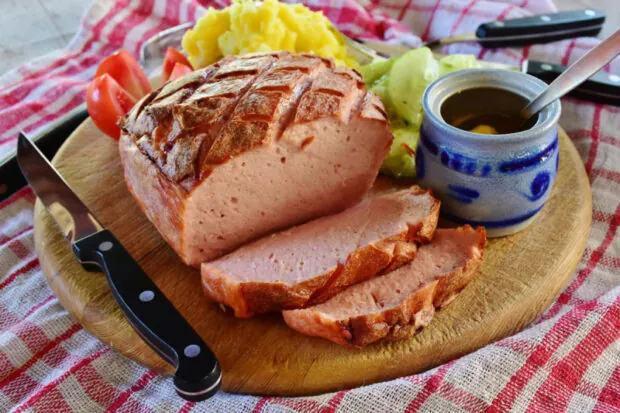
Leberkäse confuses many visitors because the name suggests liver and cheese, but the common Bavarian version is closer to a warm, finely ground meat loaf. It is usually sliced thick, tucked into a roll, and finished with sweet mustard. Think of it as Munich’s everyday comfort snack: salty, soft, filling, and far better than the description makes it sound.
Try it when you want:
- A quick lunch between sights
- A cheaper alternative to a sit-down meal
- A warm snack that still feels local
- Something easy before a museum, train, or walk
This is not fancy food, and that is the point. It tastes like normal Munich life.
Viktualienmarkt Lets You Taste Without Committing
If you only have one food stop in Munich, make it Viktualienmarkt. The official market site says it began as a farmers’ and herbal market and later grew into a place where visitors can find everything from urban Bavarian goods to exotic fruits. Munich tourism also notes that there are around 100 stalls, with produce, meat, cheese, spices, and local delicacies all part of the mix.
The best approach is a loose tasting walk. Grab a pretzel, cheese, sausage, pickles, or something sweet, then sit if the beer garden has space. It is ideal for mixed groups because nobody has to agree on one heavy dish.
Do Not Skip The Sweet Side Of Bavaria

After all that pork, mustard, and beer, Munich’s sweet dishes can feel like a surprise. Kaiserschmarrn is the one to remember: fluffy torn pancake pieces, usually dusted with sugar and served with fruit compote.
It is rustic, generous, and slightly childish in the best possible way. Apfelstrudel with vanilla sauce is another easy win, especially during a slow café break after walking the old town.
Keep an eye out for:
- Krapfen during carnival season
- Dampfnudeln in traditional kitchens
- Roasted almonds at winter markets
If lunch was heavy, let dessert become your next meal. Munich rewards flexible eating, and a warm sweet plate with coffee can be just as satisfying as another round of sausages.
What To Drink And How To Pace The Meal
Beer matters in Munich, but every meal does not need to become Oktoberfest. Helles is the easy local lager choice with roast pork, sausages, and pretzels. Weissbier works nicely with Weißwurst because the gentle wheat flavor suits the mild sausage and sweet mustard.
Dunkel brings a darker, maltier taste for roasted meats. The Viktualienmarkt beer garden is unusual because it does not belong to one brewery; Munich tourism says it serves beers from major Munich breweries, with options changing roughly every six weeks.
A simple plan works best:
- Morning: Weißwurst and Brezn
- Afternoon: market snacks or Brotzeit
- Evening: roast pork, Knödel, and beer
That rhythm gives you variety without turning the day into one long digestion project.
At the end
Munich is one of those cities where food tells you how the place works. It is social, hearty, seasonal, and proud without being too precious.
If you want real Bavarian food, do not chase only the biggest pork knuckle or the most famous beer hall.
Try the morning sausage ritual, snack at Viktualienmarkt, sit in a beer garden, order dumplings with gravy, and leave room for something sweet.
That is when Munich starts to feel less like a checklist and more like a city you have actually tasted.