 Jewel Beat
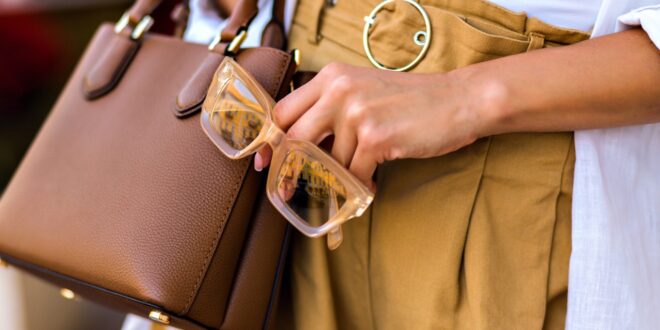
Personal style is usually defined by the accessories people repeat, not by the flashiest item they buy once. The strongest style signals are eyewear, jewelry, watches, bags, shoes, belts, scarves, hats, and small leather goods.
Most people get the order wrong because they start with statement pieces before sorting out daily anchors.
A better order is simple: choose face-level pieces first, then hands and wrist, then daily carry, then shoes, then seasonal accents. A bold bag can look forced if the glasses, watch, belt, or shoes do not match the life around it.
Style becomes clearer when accessories work like a visual signature, not a pile of unrelated purchases.
Why Accessories Carry So Much Style Weight
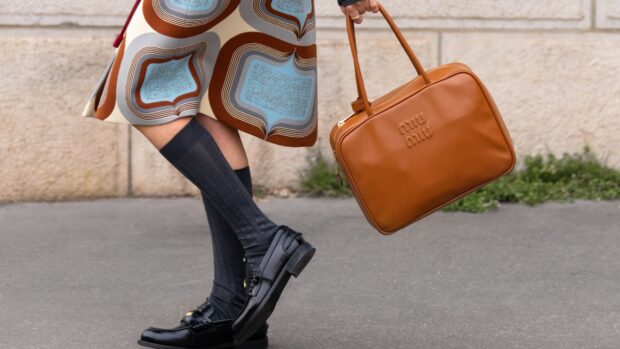
Accessories matter because they sit at the most visible decision points on the body: face, hands, waist, shoulder, and feet.
Market data backs up the cultural weight. Fortune Business Insights estimated the global fashion accessories market at $1,214.19bn in 2026, with projected growth to $2,233.47bn by 2034.
Its category definition includes watches, jewelry, belts, scarves, handbags, and purses, which explains why accessory choices now shape so much of everyday style language.
View this post on Instagram
That is also where makers such as Grainmark Leather sit naturally, since bags, wallets, cases, and small leather goods often carry more style weight than people notice at first.
Fashion’s broader setting also matters.
McKinsey and Business of Fashion described 2026 as a difficult year for fashion, with low single-digit growth expected and value-conscious consumers shaping buying behavior, according to the State of Fashion 2026 report. In plain terms, buyers are more selective.
A wrong accessory purchase feels costlier now because people expect pieces to work harder across outfits.
The Correct Order For Building Personal Style
Start with the accessories people see closest to your face, then move outward.
Order
Accessory Type
Style Message
Human Consequence
1
Glasses, earrings, necklaces
First visual read
Frames the face in meetings, photos, dates, and video calls
2
Watch, rings, bracelets
Taste, rhythm, polish
Seen during hand gestures, payments, typing, dining
3
Bag, wallet, phone case
Daily habits
Affects convenience, storage, care, and outfit balance
4
Shoes
Lifestyle signal
Changes posture, comfort, formality, and durability
5
Belt, scarf, hat, charms
Accent language
Adds identity, but can look random if base pieces clash
A person who wears thin metal glasses, a small silver chain, clean loafers, and a structured leather tote reads differently from someone wearing chunky acetate frames, stacked rings, canvas sneakers, and a slouchy nylon crossbody.
Neither version is better. Each creates a different pattern.
Face-Level Accessories Set The Tone First
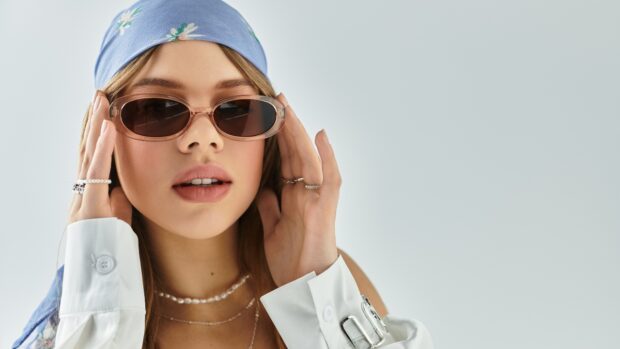
Eyewear, earrings, necklaces, and hair accessories define style quickly because people read the face before the full outfit.
Academic work on person perception now treats dress, hairstyle, makeup, and accessories as meaningful parts of first impressions, not background decoration.
A 2023 review in Personality and Social Psychology Review argued that dress remains underused in person-perception models, despite its real effect on how people are judged through person perception research.
For daily life, the practical decision is simple. Anyone who wears prescription glasses should treat frames like a main garment. Black acetate feels graphic and intentional. Rimless frames feel quiet. Round metal frames can soften sharper tailoring.
Colored lenses or angular sunglasses make a stronger claim, which can work well for creative fields but feel distracting in conservative offices.
Vogue’s Spring 2026 accessory report pointed to dramatic sunglasses, bold hair clips, visible belts, oversized bags, and bag-on-a-belt styling as major runway directions.
Good trend translation matters here: runway sunglasses can inspire shape or color, but not every sculptural frame belongs in a 9 a.m. client call.
Jewelry Is Often The Real Signature
Jewelry defines personal style because it is repeated, close to the skin, and often emotionally loaded.
JCK’s coverage of the McKinsey and Business of Fashion 2026 fashion report noted that jewelry is expected to be among fashion’s fastest-growing categories.
Branded jewelry made up 25% of the market, and branded jewelry sales grew 8.3% per year from 2021 to 2024. Jewelry self-gifting rose 58% since 2021.
That growth says something useful. Jewelry is no longer reserved for ceremonies or gifts from someone else.
People buy rings, chains, earrings, bracelets, and charms as identity markers.
A minimal dresser may get more style value from one repeated ring than from 10 trendy tops. A man who wears a simple chain every day may communicate more continuity through jewelry than through shirts.
A woman with sculptural silver earrings may need fewer loud garments because the face-level signal is already strong.
Popular options are not always wise, though. Heavy stacks can look expressive in photos and annoying in daily life if they snag knitwear, click against laptops, or need constant removal. Good style survives normal movement.
Bags And Shoes Reveal Daily Life

A bag tells people what you carry. Shoes tell people how you move.
Oversized bags returned strongly in Spring 2026 fashion coverage because many people need space for a laptop, gym shoes, a book, a makeup pouch, keys, and a charger.
Vogue framed the larger bag trend as a reaction against tiny bags that looked good but failed in ordinary life.
That is why bag choice should come before experimental accents. A structured leather tote fits office life but may feel stiff on weekends.
A nylon crossbody makes travel easier, but it can weaken formal outfits. A small evening pouch is elegant, yet useless for a commuter who carries medication, headphones, and a power bank.
Shoes create another reality check. Polished loafers, clean sneakers, Chelsea boots, ballet flats, cowboy boots, and technical sandals all say something.
They also decide comfort, upkeep, weather limits, and how long someone can actually stay in an outfit.
What People Usually Miss: Accessories Need A Hierarchy
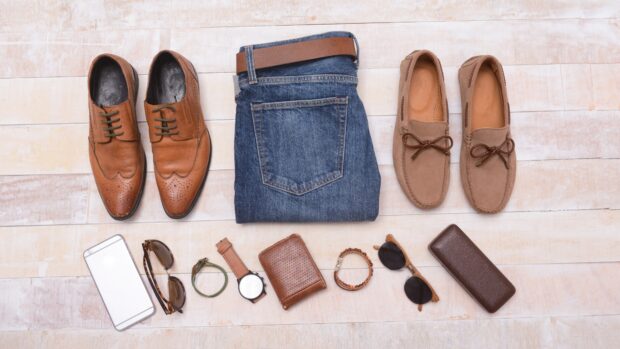
The common mistake is buying accessories out of excitement rather than role.
A bright designer belt, beaded necklace, or viral bag can be great.
It should not be the first purchase if the everyday wallet is falling apart, the only belt clashes with every shoe, or the main glasses no longer match the person’s current haircut and wardrobe.
The safest answer is less exciting: spend first on items used at least 3 times a week. After that, experiment. Secondhand shopping matters most for bags, watches, jewelry, scarves, and leather goods because condition, authenticity, and resale value affect the real cost. ThredUp’s 2026 Resale Report, conducted with GlobalData, projected the global secondhand market to reach $393bn by 2030 and said it already represents roughly 10% of total apparel spend. The report also found that nearly 50% of shoppers discover secondhand finds through social media, creators, and influencer feeds. Luxury resale has a similar direction. The Business Research Company estimated luxury resale at $41.61bn in 2026, with watches, fine jewelry, leather goods, and accessories included in the market definition. A resale bag can be smart if authentication is strong, wear is visible in photos, and the shape suits daily use. A trendy micro-bag with poor resale demand may be a worse buy than a repaired vintage shoulder bag with a known maker and replaceable strap. A simple test works better than trend chasing: ask how often the item repeats across real life. That last question is brutal but useful. Many accessories look better as content than as personal style. Personal style is defined by repeated accessory choices: glasses, jewelry, watches, bags, shoes, belts, scarves, hats, and small daily objects. The mistake is starting with the loudest piece. In 2026, smarter style starts with anchors, then adds personality through accents. Buy close to the face first. Build around daily use. Treat trends as seasoning. A good accessory order saves money, reduces clutter, and makes style look intentional without forcing it.
Resale Changes The Accessory Decision
How To Choose Accessories Without Losing Your Style
Summary